

Car Key Cutting Explained
Cutting the car key is more than just bending metal. It is a complicated procedure that ensures security, functionality, and longevity of the keys.
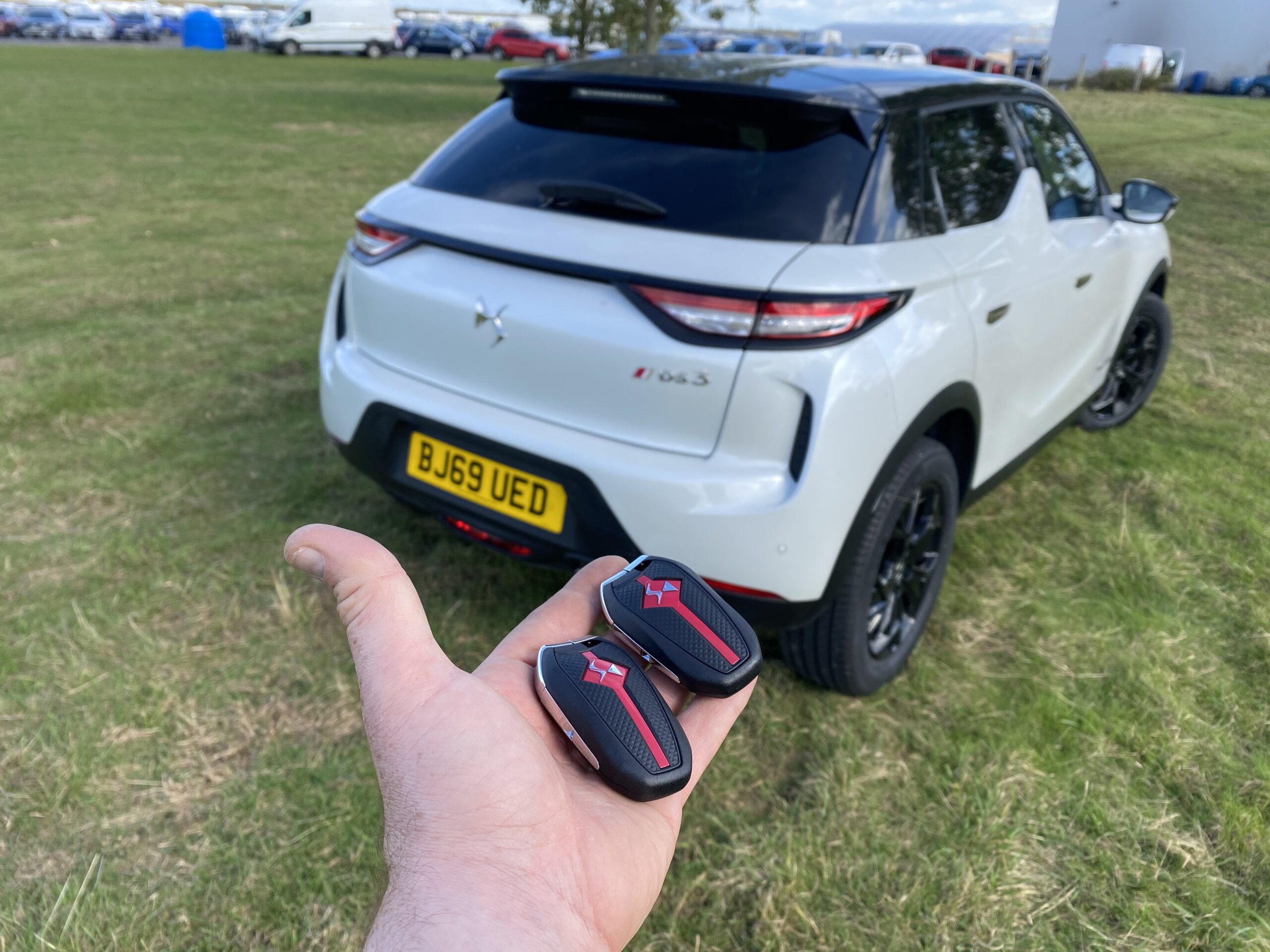
It is not unusual to lose your car key or have it break off in the lock. To ensure that you are able to always drive your car, you will need a new key cut.
Transponder Keys
Transponder chips are likely be added to cars that were built within the past 20 years. These chips are tiny microchips inside the key's handle which transmit an electronic signal to the car's onboard computer when you use it. The computer in the car detects the digital serial number in the chip and only allows the car to start if it is the correct one. This prevents car theft since thieves need to know your unique serial number in order to have a chance at hijacking it.
The microchip in your car key sends an unintentional radio signal to the car's receiver. This radio signal activates your microchip that then transmits the code to the computer onboard of the car. The car will recognize this code and will only allow it to start when the key is the right one. This stops the use of "hot wiring" and other methods of theft of cars.
Car keys with chips can be made at an authorized locksmith who offers these services. Some automotive retailers such as AutoZone offer keys with chips. They have a huge range of keys and can help you find the appropriate one for your vehicle. They can help you program the chip in your vehicle, which is required to operate the device.
You can also get laser cut keys, which are more secure than traditional flat keys. These keys feature the lock cylinder, which is much harder to pick, and they can only be duplicated with expensive laser key cutting equipment or special software. This type of technology is typically found in luxury vehicles, but it is now available in a variety of affordable automobiles as well.
Another type of car key that's difficult to duplicate is the VATS (vehicle anti-theft system) key. These keys contain a resistor that's black on the blade of the key. It can be programmed to any of 15 possible values to stop it from starting a vehicle it's not designed to. These keys are costly and require an instrument for programming keys, which is only available through certain locksmiths.
VATS Keys
Before transponder keys or vehicles with computers built-in to control the ignition, GM used a system known as VATS (Vehicle Anti-Theft System). VATS uses an ordinary key with a pellet of resistance embedded inside it to confirm that the correct key is used to start the vehicle. The VATS black pellet that is inside the middle of the VATS key isn't an electronic chip like the ones present in modern smart keys, it's simply a carbon block that is sized appropriately to have an exact electrical resistance.
GM used 15 different resistance values for the VATS pellets and connected them to the key's blade so that when the key is turned on in the ignition, a coded signal is transmitted to the module. If investigate this site is in line with the resistance value of the transistor in the VATS pellet the relay in the starter circuit is activated and the engine starts to run. This doesn't make a vehicle secure from theft however it will delay the theft by at most 15 to 20 minutes.
Unfortunately, after a lot of usage, the VATS module in your car could begin to wear out. Each time a key is inserted into the ignition, it reroutes two small wires inside the ignition, and with time, the wires could start to break. Once enough wires are broken the signal is lost to the module and the car will not start.
The good news is that you can fix this issue yourself by decoding your own VATS key. It's not difficult to determine the resistance value of a key by using the multimeter. You can determine the resistance value by placing one of the leads on the prongs of metal on both sides of your key.
This method is also a great way to test the new key to determine whether it works in your vehicle. Remove the key from the ignition first before you test it. In the event that it is not removed the key may have an incorrect VATS and not work in your vehicle.
Smart Key Fobs
Key fobs today can do more than simply unlock and start the vehicle. They can also be an alarm system and a security measure against theft, with many of them incorporating advanced features that the owners might not even know about. They can remotely lock and unlock your doors, emit noises that help you locate your vehicle in a parking lot and even allow you to summon your vehicle by pressing a button on your smartphone. This is a lot more than you'd imagine from a traditional keychain remote. However, all that additional features can mean that smart key fobs could be more expensive to replace than traditional keychain remotes, and they usually need to be programmed by the dealer.
Some dealers charge up to $100 for a single smart fob. That's a lot to pay for something that spends much of its time jostled around in purses and pockets, where it is easily dropped, damaged, or exposed to extreme moisture and temperatures. Fortunately certain automakers have come up with ways to safeguard smart key fobs from the most common types of electronic threats like relay attacks. These are usually utilized in conjunction with a remote-start hack that allows thieves to access the settings of your vehicle by sending false signals from a nearby transmitter.
To protect a smart fob you can put it in a casing made of metal or even an RFID blocking case. This will block the transmission of these signals. The convenience of this technology is compromised if you must take your key fob out every time you take it out of the protective case.
Fortunately, some newer car-insurance policies and auto club memberships and extended warranty coverages will pay for the cost of a replacement or pay for the loss of a fob. You can also avoid paying new-car dealer fees by having your fob copied by a locksmith or hardware retailer that provides key-fob cloning.
For most drivers who are buying an additional key fob is contingent on the importance of your car's keyless entry and push-button start functions are. In any case you should have an extra fob or key in case you lose it. If you have to purchase a replacement, Batteries Plus has a wide selection of fobs for the majority of vehicles and trucks. Plus, our quick and easy service is about 50% less than what you would buy from the dealership.
Traditional Keys
The car key of old is one piece of metal with a series of grooves cut into it. These grooves are made to fit specific locks. These keys can open your locks and open the car, as long as you haven't changed them out to a smart or remote key. The only drawback to using a traditional car key is that you must physically insert it into the ignition to start the engine. If your traditional key has been damaged, lost or stolen, you'll have to visit a Gainesville locksmith to have new keys made from the blank.
There are several options to select from based on how long it has been since you cut your keys. Certain keys are cut using mechanical machines or lasers, while others are cut with enhanced security features.
Some of these advanced features that come with modern keys include encryption and other security mechanisms. Encryption makes it harder for thieves to duplicate keys or open locks. Transponder chips are another security feature that prevents theft. They are embedded in the key and can communicate with your vehicle. This means that it can only effective only when you're within certain distance.
If you choose to make use of a traditional key, your locksmith can create an entirely new key using the standard cutter machine that is available at most hardware stores. This is less expensive than a key fob or transponder, and you will still be able to use your trunk locks, trunk locks, and doors.
Another alternative is to get the traditional car keys replaced with a laser-cut version with a distinctive pattern. These keys were first introduced in the early 1990s and are a popular choice for those who want to protect their automobiles. Laser cut keys are typically equipped with transponder chip that is programmed to work only with your vehicle. If these chips aren't installed in your vehicle, they will not respond to the signals generated by the key.